

Pharma War Games:
Strategy Workshops for Competitive Success.
At Pharma War Games, we design and deliver high-impact war games (competitive simulations) for pharmaceutical and biotech companies.
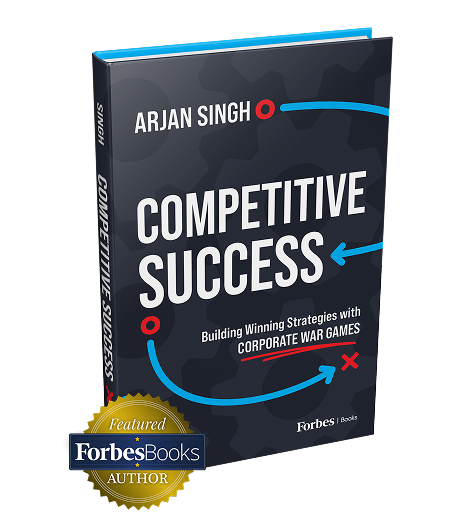
Are you prepared for your competitors’ actions?
Do you need to stress test your strategies and understand why they will not work?
Do you need to align your internal stakeholders on your strategic direction?
As Seen in







We have worked with 42 of top 50 Pharmaceutical and Biotech companies globally.
Companies run war games / competitive simulations to answer the tough key competitive questions that shape their success:
- How do we counter competitors’ clinical trial results, label expansions, and commercial moves?
- Are we fully prepared to launch our next blockbuster drug?
- Does our brand plan truly anticipate competitor strategies, or is it just another set of slides?
- How will physicians, payors, and patients respond to our product in a crowded market?
- Have we identified and planned for the “elephant in the room” that could derail our strategy?


We have worked with 42 of top 50 Pharmaceutical and Biotech companies globally.

Since 2013, Pharma War Games has been helping companies around the world run competitive strategy workshops that deliver real results. Over the years, we’ve built one of the most effective approaches in the industry, grounded in practical experience and proven success.
Our workshops are designed to give your team clear, actionable insights—helping you avoid common mistakes and focus on what truly works in today’s competitive markets.
By partnering with Pharma War Games, you gain a trusted guide who can simplify complex challenges, uncover new opportunities, and strengthen your strategy. Our proven methods give you the confidence to make smarter decisions and position your business for long-term success.
Successful Pharma / Biotech business leaders don’t leave strategy to chance—they rehearse, pressure-test, and refine before execution.

Services.

War Gaming
Anticipate and prepare for your competitors’ next moves.

Competitive simulations
Simulate complex and challenging competitive environments.

Scenario planning
Prepare your organization for changes in the industry eco-system.
War Gaming.
Rehearse your possible future actions in a 'safe environment'

Companies use war games to support late-stage clinical development, strengthen annual brand planning, and stress-test critical decisions that could be influenced by competitors.
Effective war games are focused. They cover a limited number of issues and competitors so participants can dig deep into the challenges, explore options, and create practical solutions. To maximize engagement and ensure every voice is heard, we recommend keeping sessions to 50 participants or fewer.

War games give internal teams a 360° view of external opportunities and risks by stepping into the shoes of all key stakeholders—competitors, physicians, payors, patients, and regulators. They often run around a specific disease area where a new drug is coming to market, whether from your company or a rival.
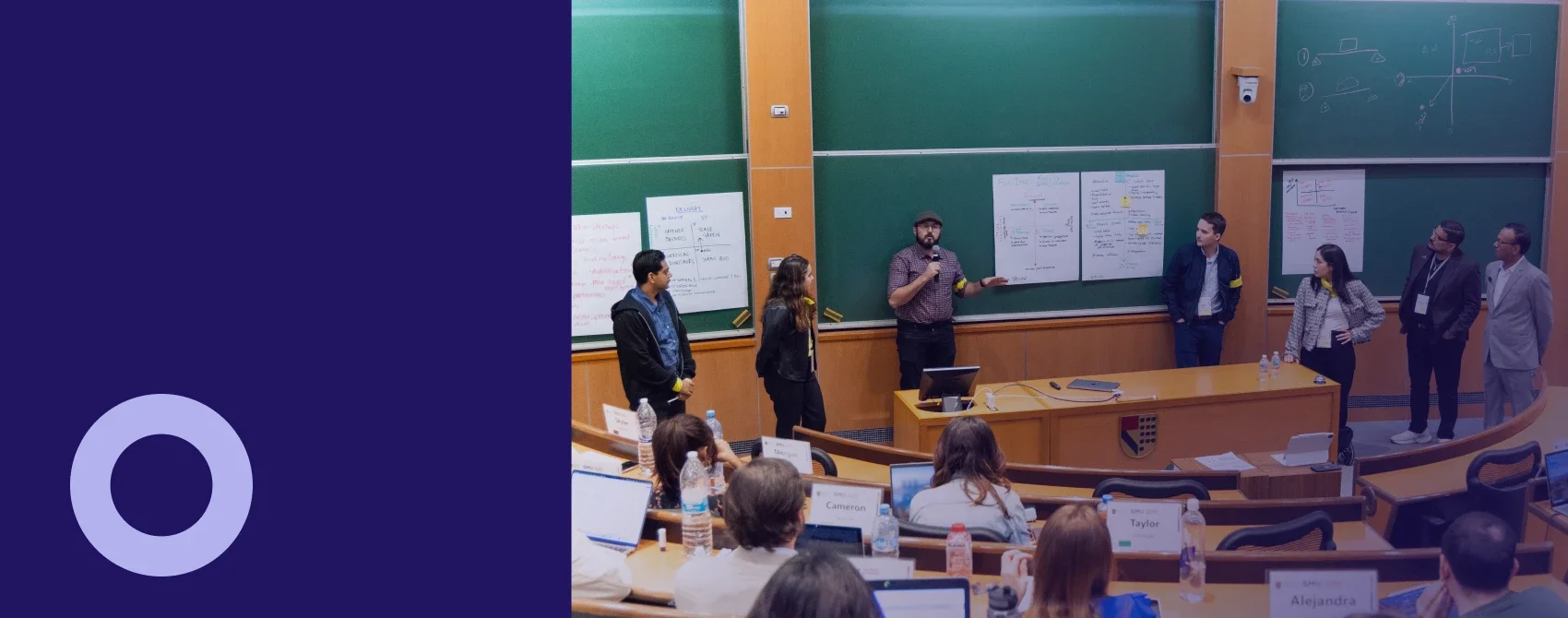

When integrated into planning processes and conducted regularly, war games help organizations keep their strategies sharp and their understanding of the external environment up to date.

When used regularly, war games make planning more resilient and adaptive. They help organizations stay ahead of change, anticipate competitive moves, and identify new opportunities.

Competitive Simulations.
A perfect setting to analyze situations, plan countermoves, and execute an effective strategy

Competitive simulations take the complexity of the external environment and translate it into a format that teams can actively explore, debate, and solve together. By recreating the pressures of the market in a structured setting, simulations allow participants to move beyond theory and experience the competitive landscape as if they were living it.

These exercises can be tailored to focus on a wide range of attributes—such as competitor events, upcoming clinical trial readouts, regulatory shifts, pricing or access pressures, disruptive technologies, or broader industry trends. They provide a safe but realistic environment where leadership teams can test assumptions, challenge conventional thinking, and anticipate how external changes may impact their company’s competitiveness.
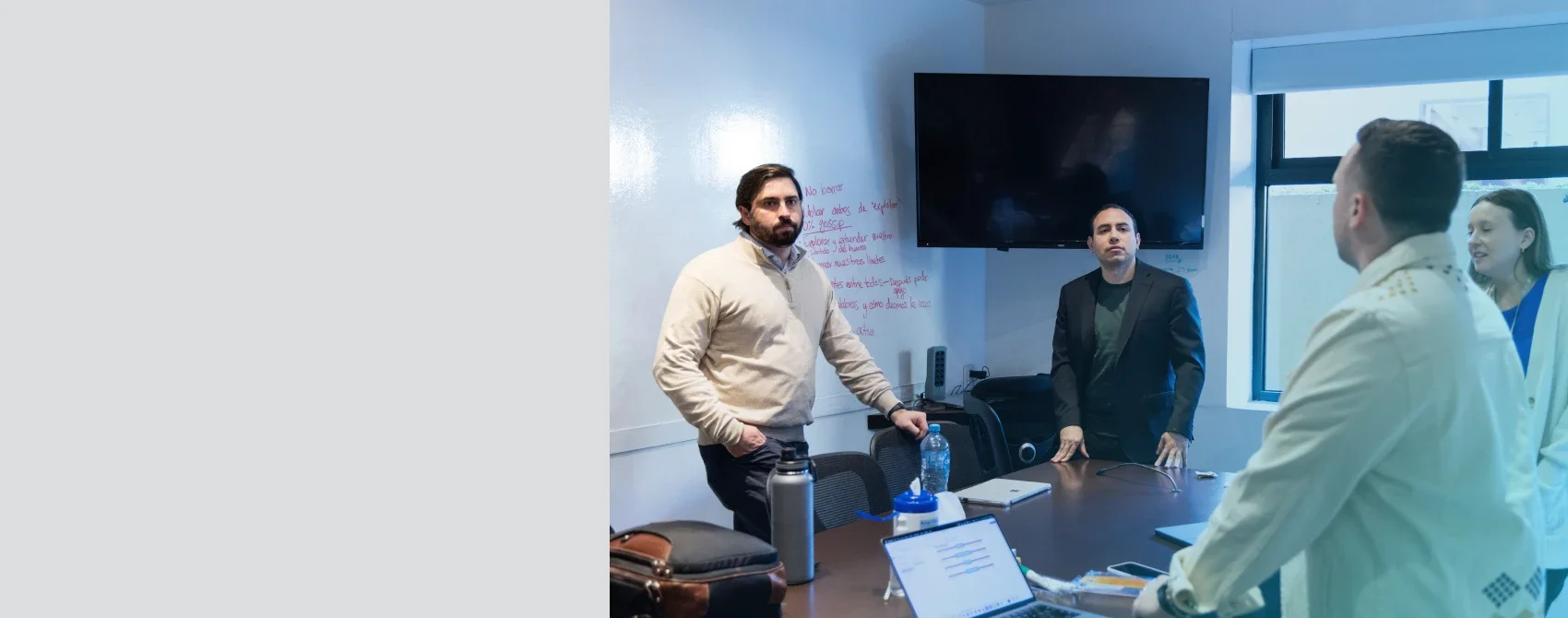

Through this process, participants gain a clearer understanding of not only what might happen, but also how different stakeholders—competitors, regulators, physicians, payors, and patients—are likely to react. This enables the organization to craft smarter responses, strengthen its strategy, and build the confidence needed to navigate uncertainty.
Competitive simulations are more than just an exercise; they are a rehearsal for the future, ensuring your team is ready to adapt, compete, and win.
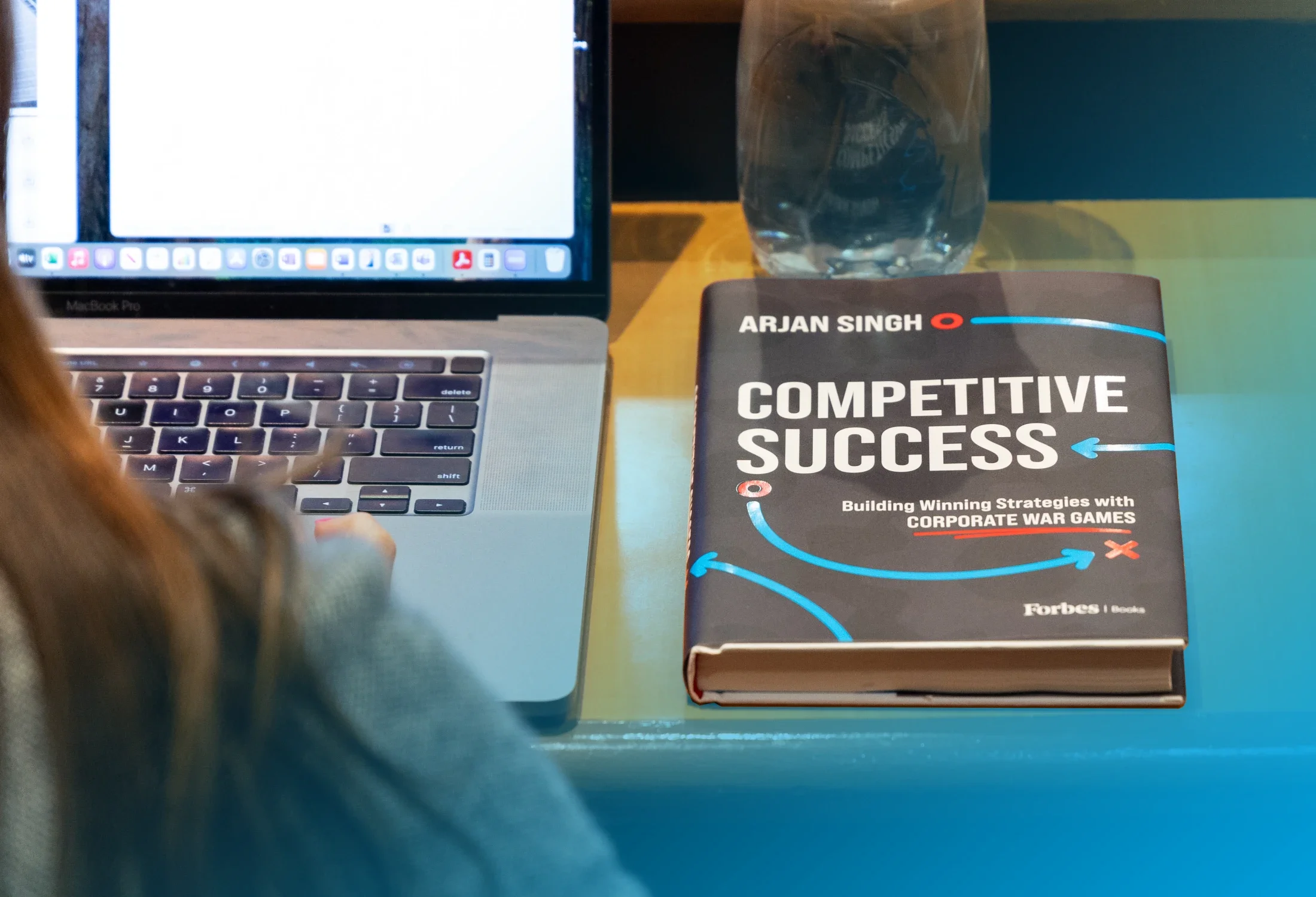
With competitive simulations, your organization learns how to turn uncertainty into opportunity—and moves forward with clarity and confidence.

Scenario Planning.
Understand and prepare for potential shifts in the industry ecosystem before they occur


Scenario Planning helps organizations explore future possibilities—ranging from macro-economic shifts to changes across the healthcare ecosystem. These exercises are often intellectually challenging and highly engaging, pushing teams to think beyond conventional assumptions and consider a wide range of outcomes.
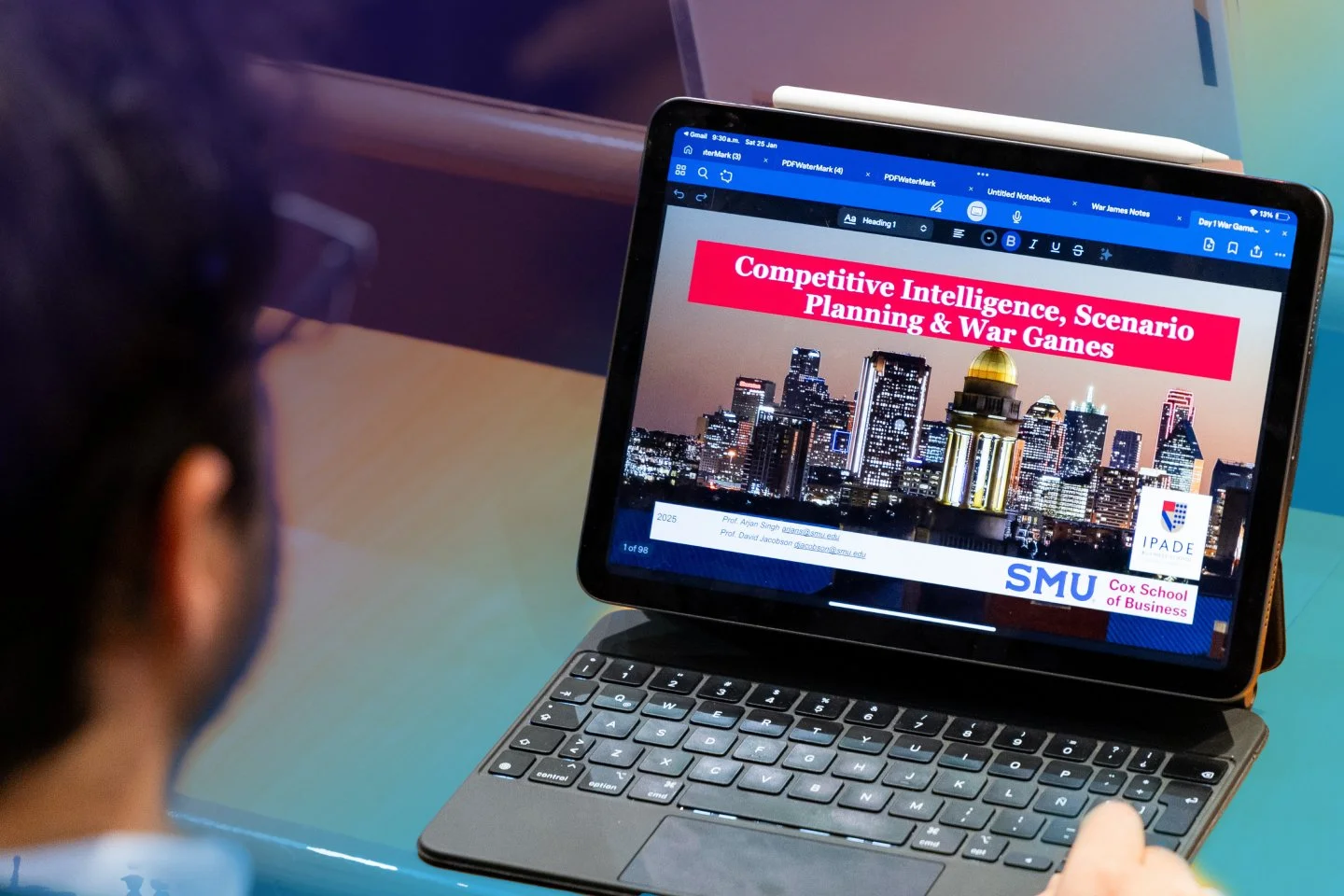
The true value of Scenario Planning, however, lies in translating those insights back into the business. Effective sessions end with clear alignment on proactive actions and practical next steps that can be implemented immediately.
When done well, Scenario Planning also creates the foundation for an early warning system—helping the organization anticipate signals of change and proactively manage risks to its business, franchise, or product.

By making Scenario Planning part of your strategy process, your company can stay agile, seize emerging opportunities, and thrive in times of uncertainty. It transforms vision into practical choices that guide your path forward.
